
Expert Tips for Improving Your Credit Score with Bankcards
Improving your credit score with bankcards is a vital step in achieving financial health. Whether you're looking to make a significant purchase or secure a loan, having a strong credit score can open doors to better interest rates and financial opportunities. Here are some expert tips to help you boost your credit score using bankcards.
Understanding Your Credit Score
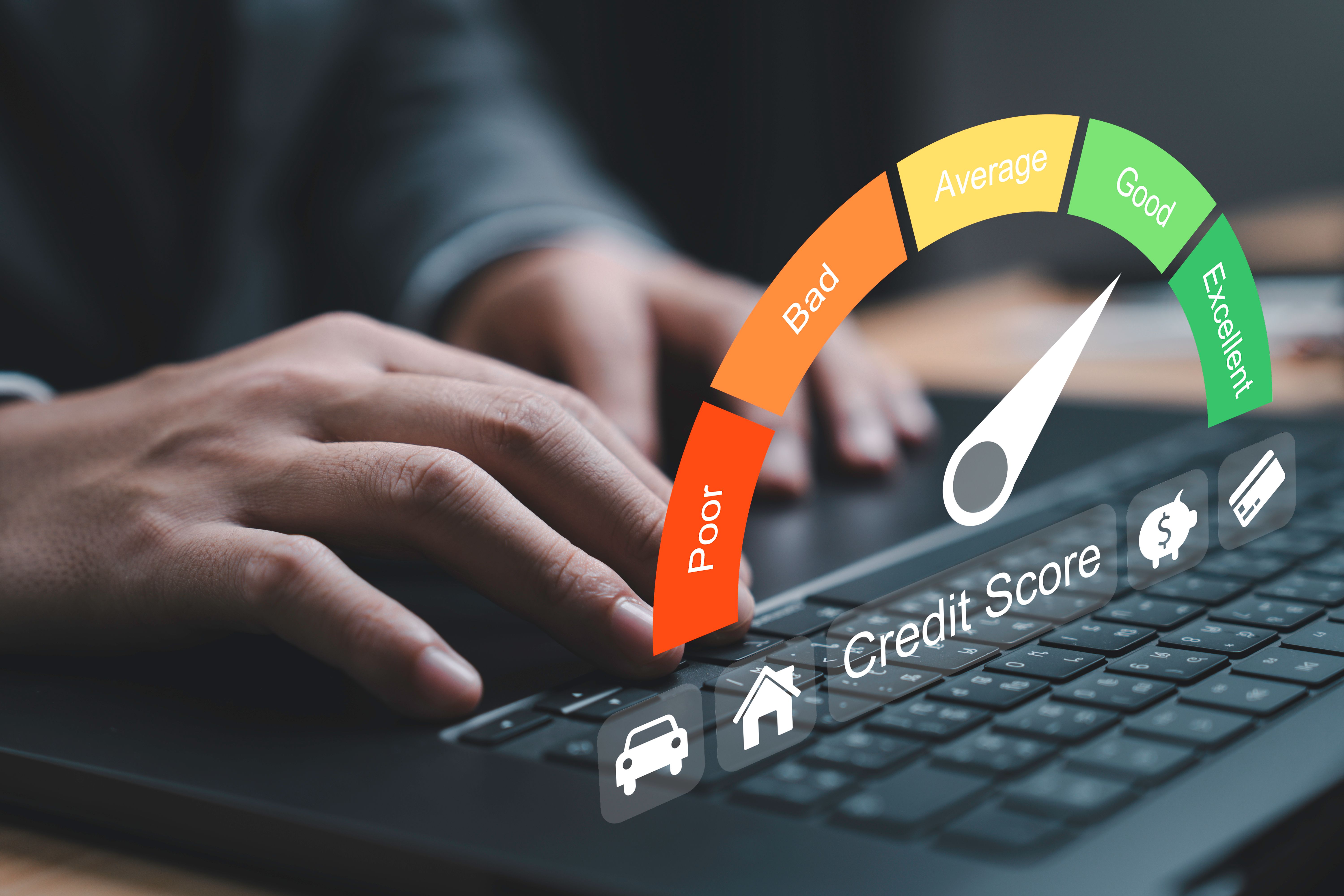
Your credit score is a numerical representation of your creditworthiness. Lenders use this score to evaluate the risk of lending to you. Scores typically range from 300 to 850, with higher scores indicating better creditworthiness. Understanding the factors that influence your score is the first step in improving it.
The key elements that affect your credit score include payment history, credit utilization, length of credit history, new credit inquiries, and credit mix. By focusing on these areas, you can strategically improve your score over time.
Make Timely Payments
One of the most critical factors in your credit score is your payment history. Consistently making on-time payments is essential. Set up automatic payments or reminders to ensure you never miss a due date. Late payments can significantly impact your score, so prioritize this aspect.
If you've missed payments in the past, don't worry. Start fresh by committing to on-time payments moving forward. Over time, your score will improve as your recent payment history becomes more favorable.
Manage Your Credit Utilization
Credit utilization refers to the percentage of your credit limit that you're using. Experts recommend keeping your utilization below 30% to positively impact your credit score. For example, if your credit limit is $10,000, aim to use no more than $3,000.
Consider requesting a credit limit increase if you're consistently using a high percentage of your available credit. However, be mindful not to increase your spending with the higher limit.

Limit New Credit Applications
Each time you apply for a new credit card, an inquiry is made into your credit report, which can temporarily lower your score. Be selective and strategic about applying for new credit. Only apply for cards that offer benefits aligned with your financial goals.
Space out your credit applications to minimize the impact on your score. Frequent applications can signal financial instability to lenders.
Build a Diverse Credit Mix
Having a mix of credit types, such as revolving credit (credit cards) and installment loans (car loans, mortgages), can positively influence your score. It demonstrates to lenders that you can manage different types of credit responsibly.

However, don't open new accounts just for the sake of diversifying. Ensure that any credit you take on aligns with your financial plans and needs.
Monitor Your Credit Report Regularly
Regularly reviewing your credit report can help you spot errors or fraudulent activity. You are entitled to a free credit report annually from each of the three major credit bureaus. Take advantage of this to ensure everything is accurate.
Dispute any inaccuracies you find, as they can unjustly affect your score. Staying informed allows you to take control of your credit health proactively.
By following these expert tips and making informed decisions with your bankcards, you can improve your credit score over time. Remember, building a strong credit history is a marathon, not a sprint, so be patient and persistent.